
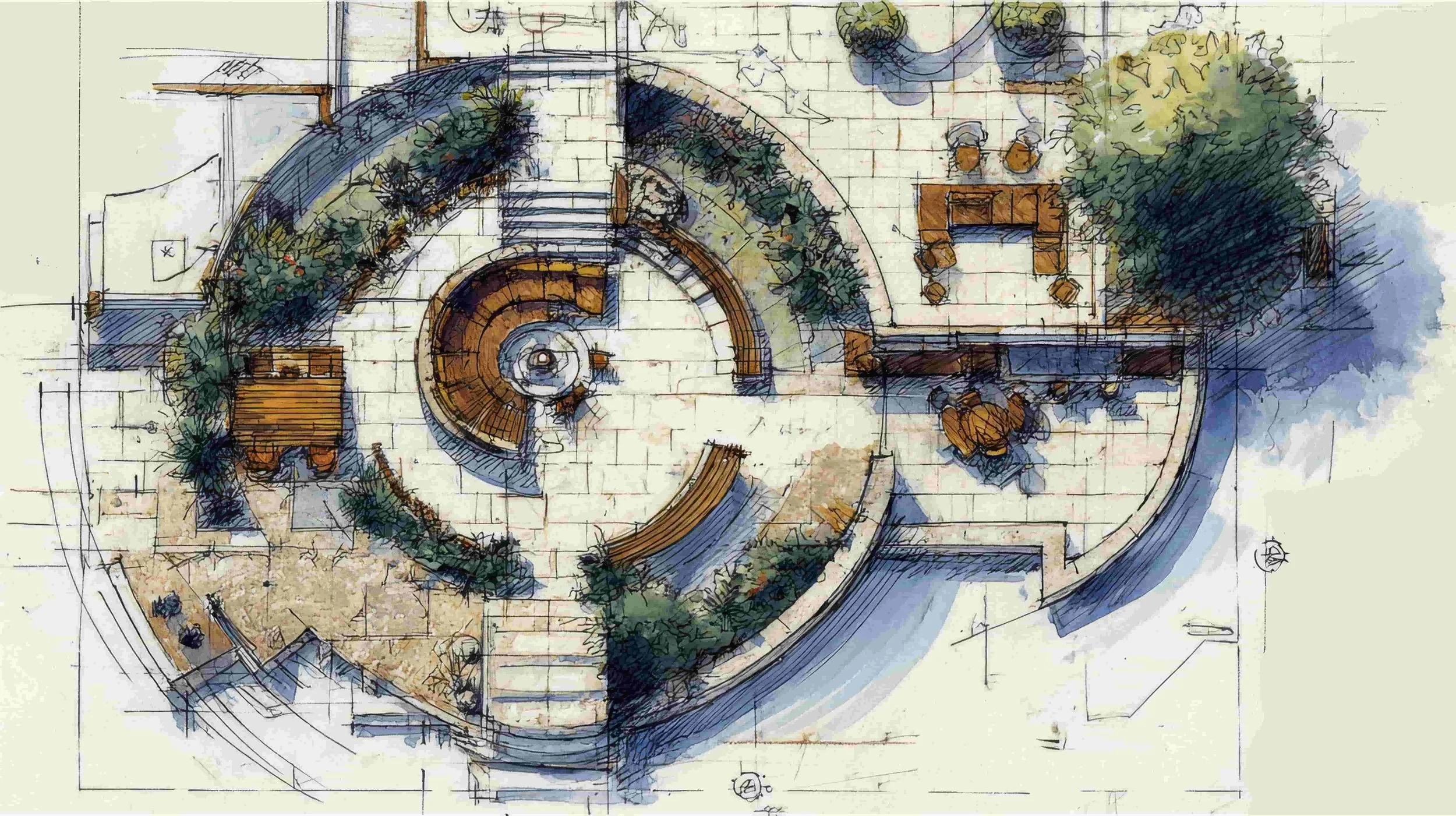
Plan View - Concept Design Sketch
Planning a new garden is exciting, but it can also feel a little overwhelming.
Where do you start?
How much will it cost?
And how do you turn ideas into something that actually works in real life?
Whether you're refreshing part of your garden or planning a complete transformation, understanding the garden design process helps make everything clearer and more manageable. A structured approach not only improves the result but also helps avoid costly mistakes and delays along the way.
In this guide, we walk through the garden design steps, explain how to design a garden, and share what it's like to work with a garden designer.
Why the Garden Design Process Matters
A garden is more than just planting and paving. It's an extension of your home — a place to relax, entertain, and connect with nature. Without proper planning, it's easy to end up with a garden that looks good initially but doesn't function well over time.
A thoughtful landscape design process helps you:
Make the best use of your available space
Create a garden that suits your lifestyle
Plan realistically for your budget
Avoid unnecessary changes during construction
Ensure the garden works throughout the seasons
Taking the time to plan properly almost always leads to better, longer-lasting results.
Step 1: Initial Consultation — Understanding Your Vision
The garden design process usually begins with a conversation. This is where you share your ideas, preferences, and goals for the space.
During this stage, a garden designer will typically ask questions such as:
How do you want to use the garden?
Do you prefer a modern, naturalistic, or traditional style?
How much maintenance are you comfortable with?
Are there any specific features you'd like to include?
What is your approximate budget and timeline?
This stage is less about design and more about listening and understanding. A clear brief at the beginning makes the rest of the garden design steps much smoother.
Step 2: Site Survey and Assessment
Before any design work begins, it's important to understand the space properly. Every garden has its own conditions and constraints that influence the design.
A site assessment may include:
Measuring the garden and levels
Assessing sunlight and shade
Reviewing existing planting and trees
Considering drainage and soil conditions
Identifying views, privacy issues, and access points
This stage is essential in the landscape design process because it ensures that the design is practical and suited to the site.
Step 3: Concept Design — Exploring Ideas
Once the brief and site information are gathered, the concept design stage begins. This is where ideas start to take shape.
At this stage, you might see:
Layout options
Ideas for seating areas and outdoor living spaces
Pathways and circulation routes
Lawn or planting zones
Initial material suggestions
This is often the most collaborative part of the garden design process. Feedback is encouraged, and the design evolves through discussion and refinement.
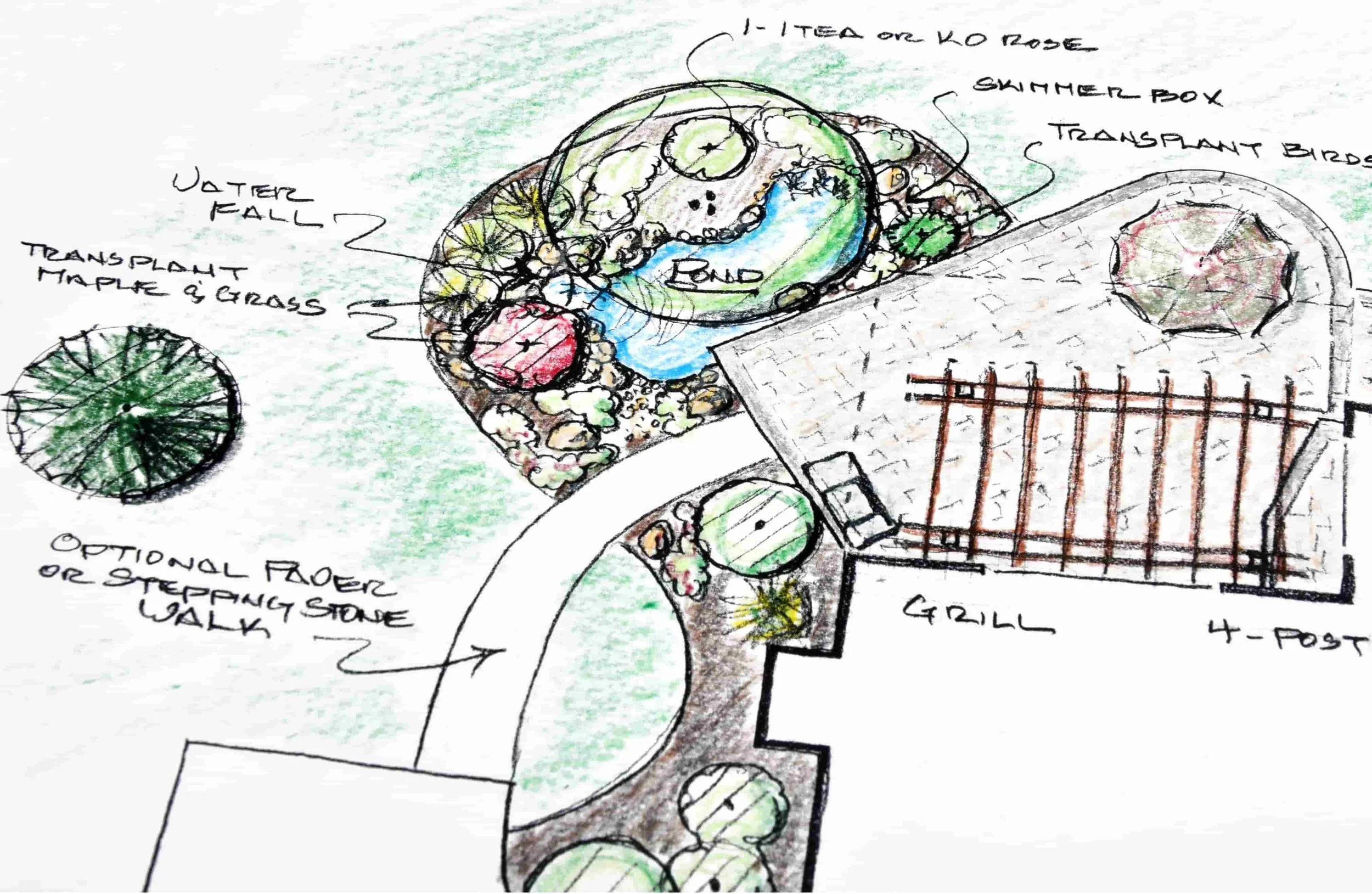
Garden Design - Developed Design Sketches
Step 4: Developed Design and Detailed Planning
After the concept design is agreed upon, the next step is to further refine everything. This stage focuses on turning ideas into something that can be built.
This may include:
Detailed layout drawings
Planting design
Hard landscaping materials
Lighting suggestions
Steps, walls, and structural elements
These garden design steps ensure that contractors have clear information and that the project can be delivered accurately.
Step 5: Budgeting and Contractor Selection
A good design also needs to work within your budget. At this stage, your garden designer can help:
Prepare cost estimates
Suggest suitable contractors
Review quotations
Adjust the design if required
This part of the landscape design process helps avoid surprises and ensures expectations are aligned before construction begins.
Step 6: Construction and Installation
Once everything is agreed, construction can begin. Depending on the project, your garden designer may remain involved during this stage to:
Answer contractor questions
Visit the site during key stages
Ensure the design is implemented correctly
Help resolve any unexpected site challenges
Having professional oversight helps maintain quality and keeps the project moving smoothly.
Step 7: Planting and Final Touches
Planting is often the stage where the garden really comes to life. This includes:
Tree and shrub planting
Perennials and seasonal planting
Soil improvement and mulching
Final styling and finishing details
A thoughtful planting scheme ensures the garden develops and improves over time.
Step 8: Aftercare and Ongoing Development
A new garden doesn't reach its full potential immediately — it evolves. That's why aftercare is an important part of the garden design process.
Your designer may provide:
Maintenance guidance
Seasonal care advice
Plant establishment recommendations
Ideas for future enhancements
This helps ensure your garden continues to thrive long after installation.
Working with a Garden Designer
If you've never worked with a professional before, it's helpful to know that working with a garden designer is a collaborative and flexible process.
A garden designer brings:
Creative ideas
Technical knowledge
Experience managing projects
Access to trusted contractors
A structured approach
Ultimately, their role is to help guide you through the garden design steps and create a garden that suits both your space and lifestyle.
How to Design a Garden Successfully
If you're thinking about how to design a garden, here are a few simple principles to keep in mind:
Start with how you want to use the space
Consider views from inside the house
Think about year-round interest
Balance hard landscaping with planting
Create comfortable seating areas
Plan for lighting and evening use
These ideas form the foundation of a successful garden design process.
Starting Your Garden Design Project
Every garden is unique, and a well-structured landscape design process helps unlock its full potential. Whether you're planning a small refresh or a complete transformation, thoughtful planning makes all the difference.
At EarthLinks Design Studio, we guide clients through each stage of the garden design process, from initial ideas through to planting and aftercare, creating gardens that are both beautiful and practical.
If you're considering a garden project, now is a great time to start planning.