
Creating a garden that looks beautiful in every season is one of the key goals of good garden design.
In the UK, where seasonal change is so distinct, thoughtful planting is essential to ensure structure, colour, and texture all year round.
A well-designed garden should never feel empty. Instead, it should evolve through the seasons—offering something different and engaging, whether it’s spring bloom, summer abundance, autumn colour, or winter structure.
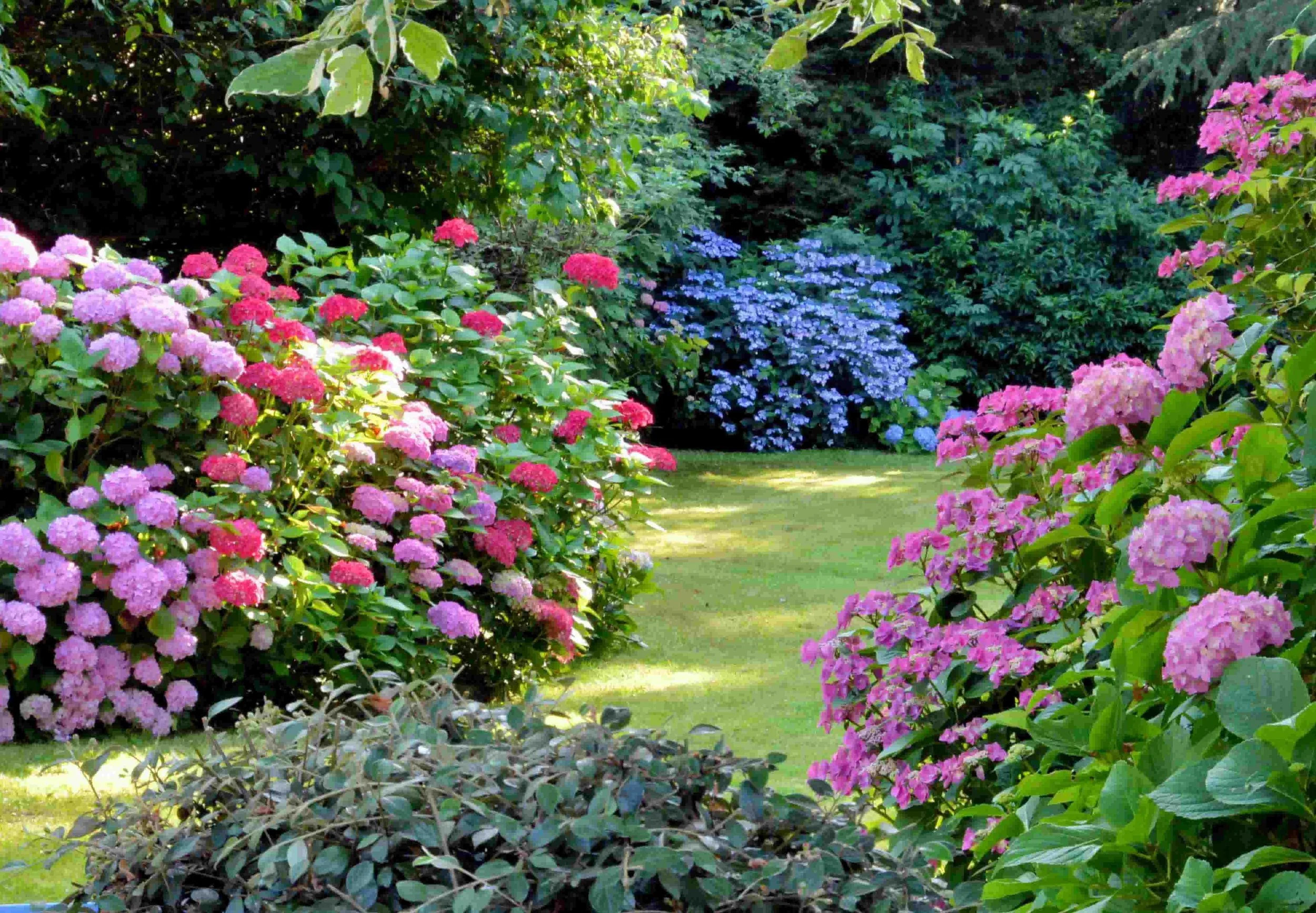
Why Year-Round Interest Matters
Many gardens peak in late spring and summer, then lose impact through autumn and winter. By designing for year-round interest, you create a garden that:
Remains visually appealing in every season
Provides structure during winter months
Supports biodiversity and wildlife
Reduces reliance on seasonal replanting
Feels balanced and cohesive all year
The key is combining plants that perform at different times of the year.
Evergreen Structure
Evergreens are the backbone of any planting scheme. They provide continuity and form when other plants die back.
Key plants for UK gardens:
Taxus baccata (Yew) – hedging and structure
Ilex crenata – box alternative for clipping
Pittosporum – soft evergreen mounds
Hebe – compact, reliable structure
These plants hold the “architecture” of the garden year-round.
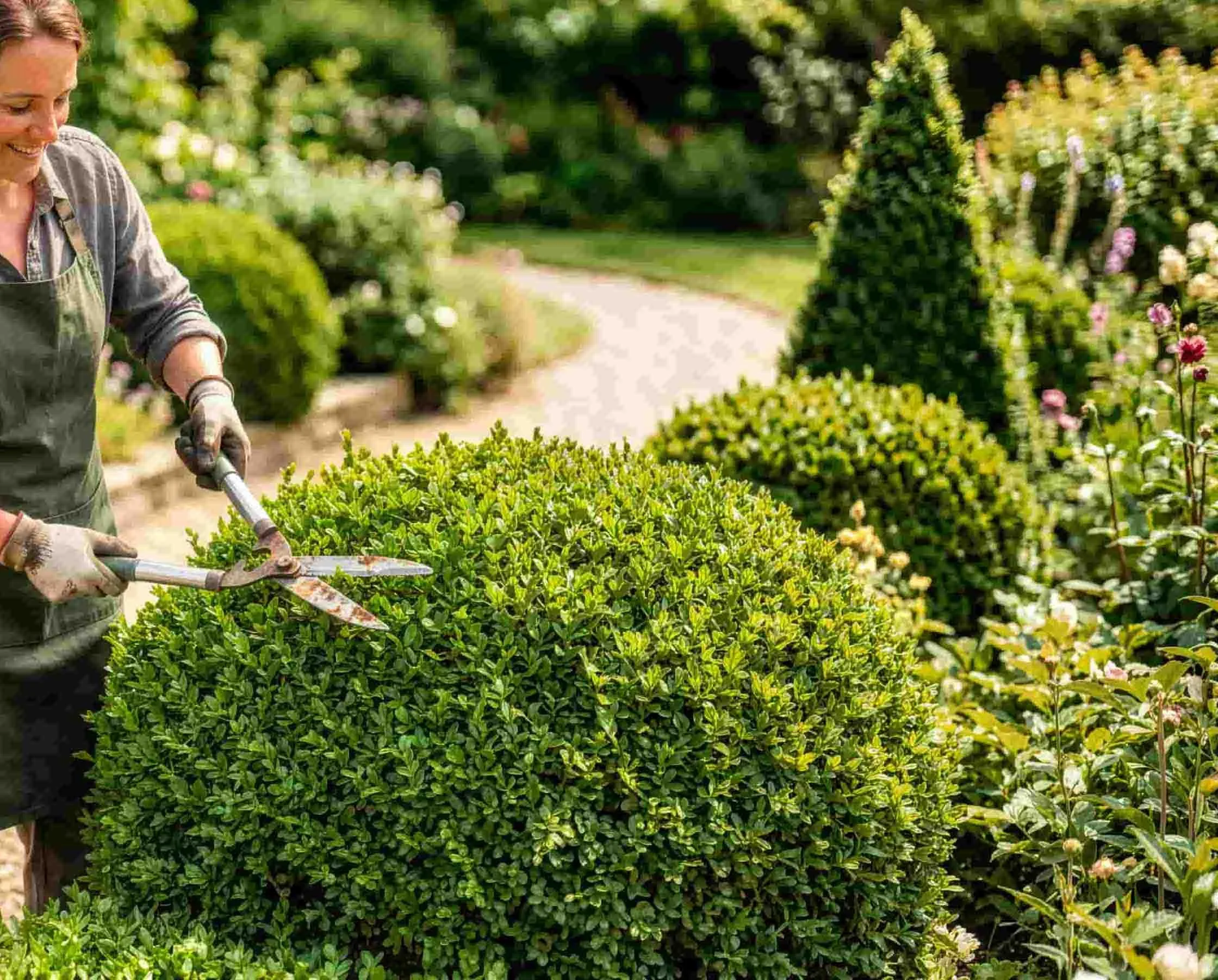
Use topiary domes, balls and cones within your herbaceous planting to add structure to your flowerbeds
Spring Interest
Spring brings renewal, colour, and energy after winter dormancy.
Recommended plants:
Galanthus (Snowdrops) – early winter/spring transition
Crocus – vibrant early colour
Narcissus (Daffodils) – bold seasonal impact
Tulipa (Tulips) – structured spring displays
💡 Tip: Layer bulbs beneath perennials for extended seasonal impact.
Summer Abundance
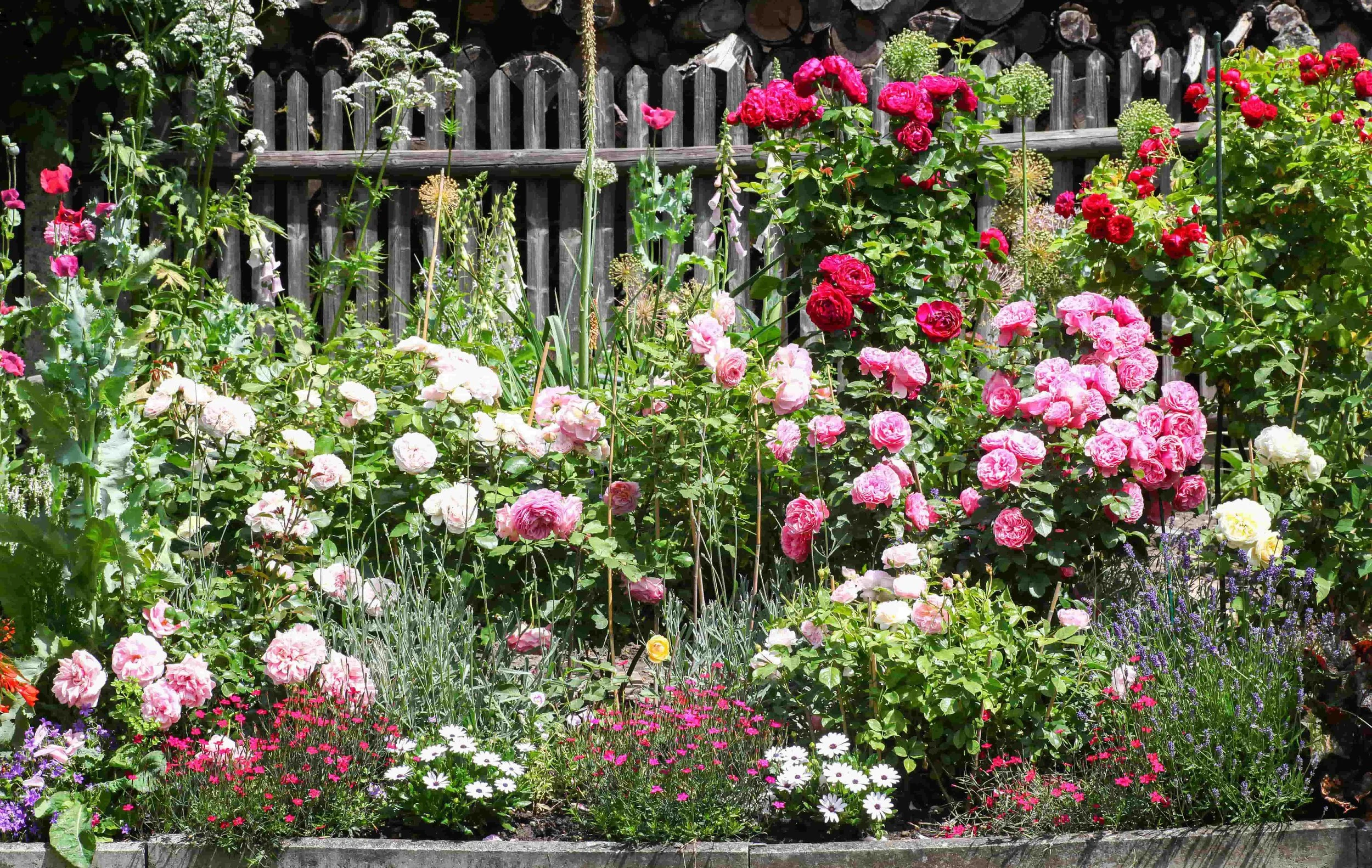
Summer is the peak of flowering and activity in the garden.
Reliable UK perennials:
Salvia – long flowering and pollinator-friendly
Echinacea – bold structure and colour
Geranium (hardy cranesbill) – ground cover and repeat flowering
Nepeta – soft texture and long season interest
Roses – classic summer focal points
These create fullness, movement, and colour.
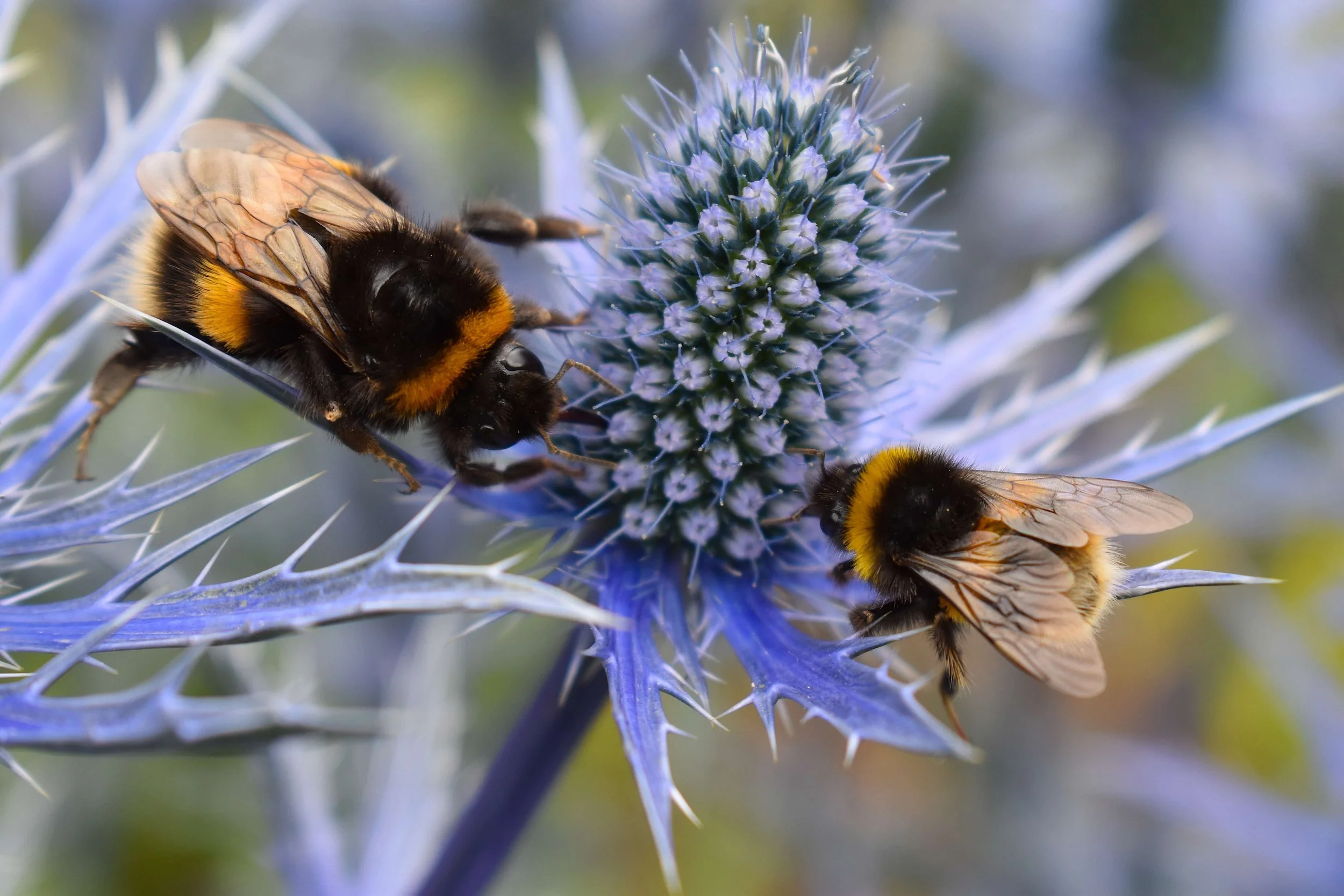
Perennials, perfect pollinators!
Autumn Colour
Autumn is often overlooked but can be one of the richest seasons visually.
Strong autumn performers:
Acer palmatum – dramatic foliage colour
Sedum (Hylotelephium) – late flowering structure
Miscanthus – architectural grasses
Stipa tenuissima – movement and lightness
Asters – late-season flowering
Seed heads and grasses become especially important in autumn light.
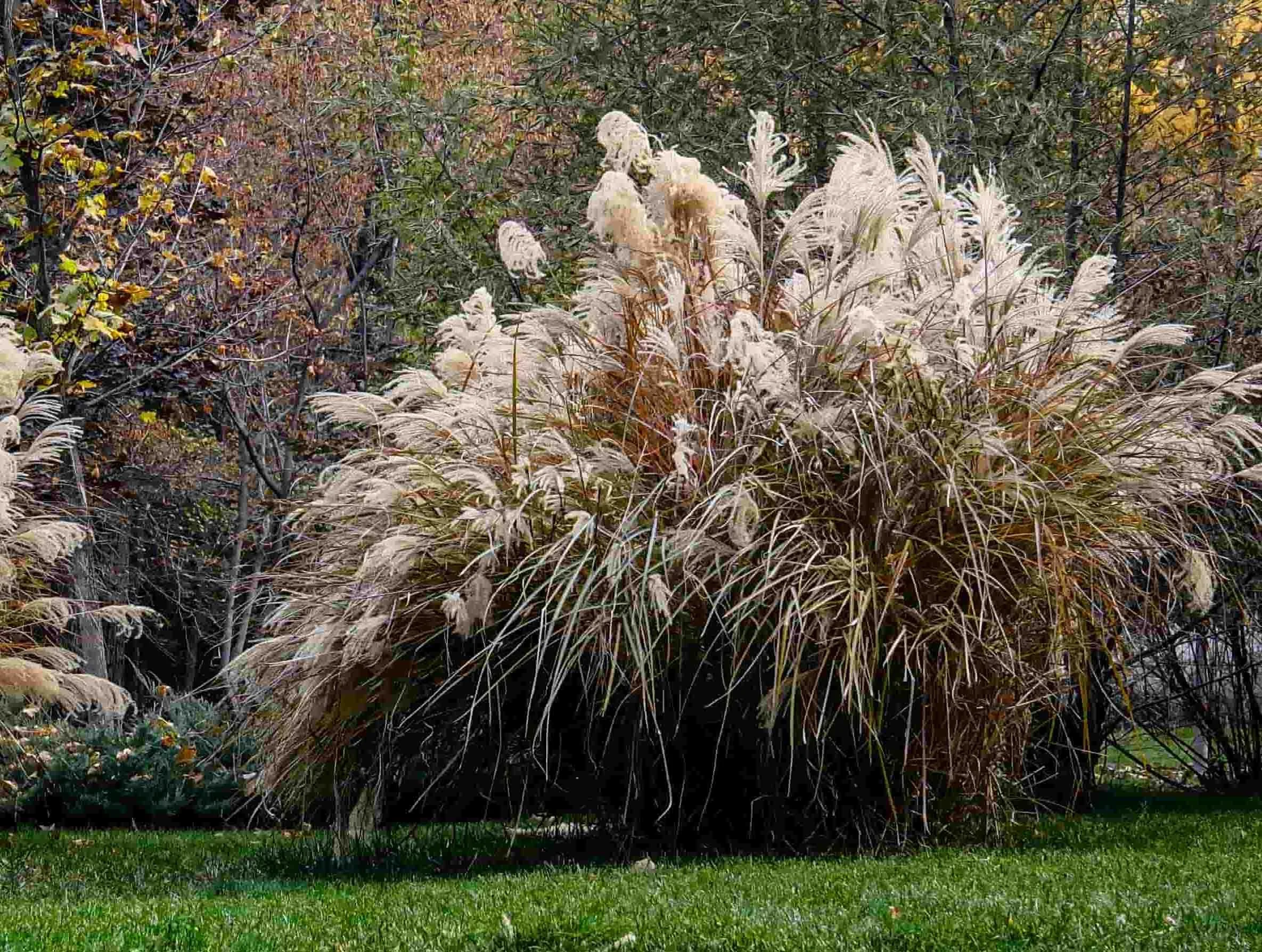
Miscanthus grasses
Winter Interest
Winter gardens rely on shape, bark, and evergreen presence rather than flowers.
Key plants:
Cornus (Dogwood) – colourful winter stems
Betula (Birch) – striking bark and silhouette
Helleborus – early winter/spring flowers
Mahonia – bold evergreen structure
Ornamental grasses – movement and frost interest
Frost, seed heads, and structure become the main visual elements.
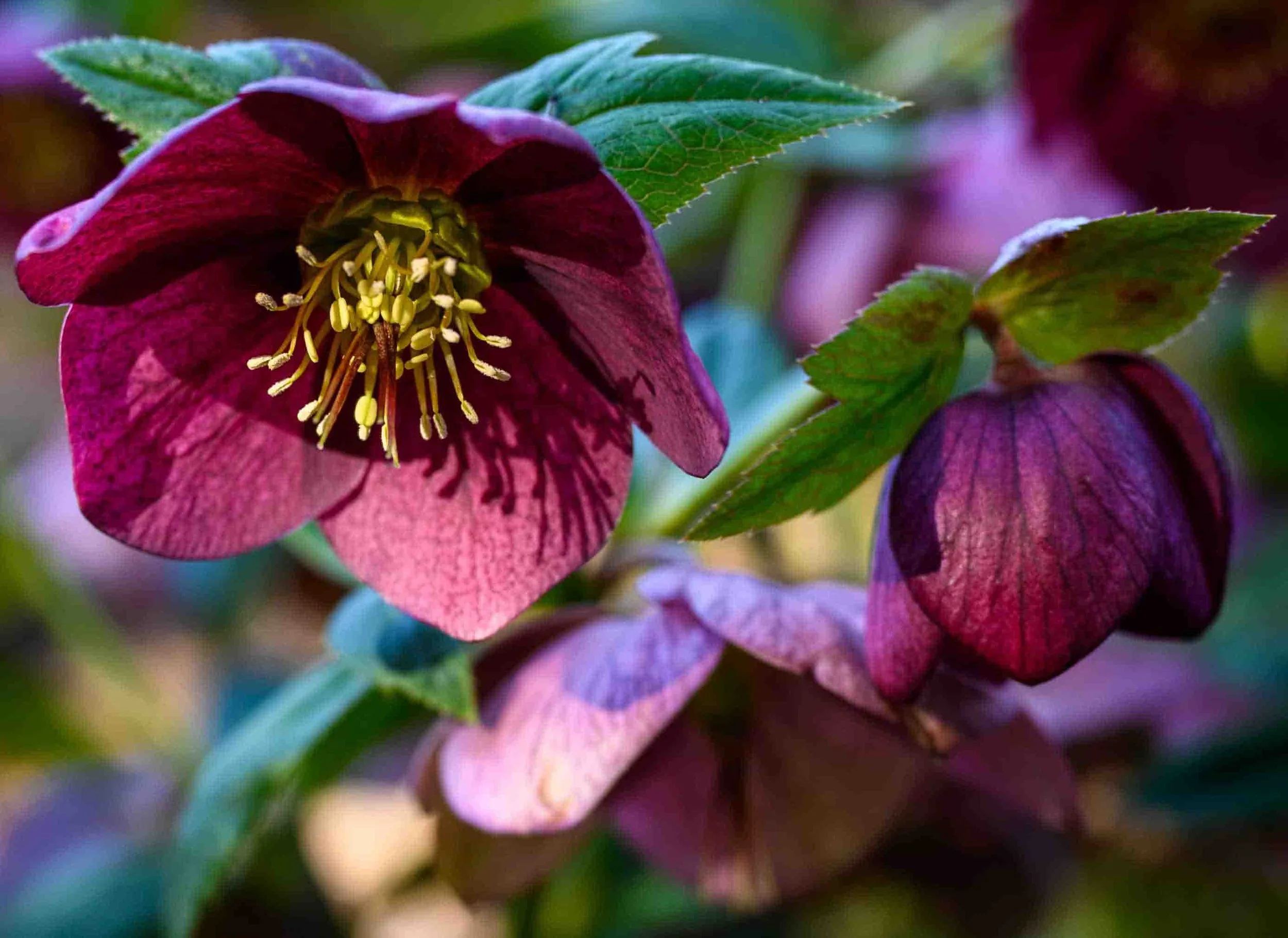
Winter flowering Hellebores
How to Achieve Seasonal Garden Planting
To successfully design seasonal garden planting, think in layers:
1. Structural Layer
Trees, hedges, and large shrubs that define the space year-round.
2. Seasonal Layer
Perennials, bulbs, and shrubs that provide changing colour and interest.
3. Ground Layer
Low planting and ground covers that soften and unify the design.
Design Tips for Year-Round Gardens
Select plants with staggered flowering periods
Repeat key species for rhythm and cohesion
Use evergreen structure as the backbone
Mix foliage textures (fine, bold, spiky, soft)
Include plants with winter bark or seed heads
Prioritise UK-hardy species suited to local conditions
Even small gardens can achieve strong year-round impact with careful planning.
Final Thoughts
A successful garden is not defined by one season but by how it changes throughout the year. By combining evergreen structure, seasonal highlights, and varied textures, you can create a garden that remains visually engaging in every month.
With the right approach to plants for year-round interest, your garden becomes a living, evolving space that offers beauty, structure, and biodiversity all year round.